







Search Results for: Bittersweet Aftertaste
How to Identify High-Quality Coffee Beans? An Analysis of Specialty Coffee Evaluation Standards and Selection Key Points
In the face of a dazzling array of coffee beans, how can one judge quality? Currently there is no unified international definition of specialty coffee, but the Specialty Coffee Association of America and coffee-producing countries each have their own set of evaluation criteria. The former scores based on dimensions such as dry and wet aroma, acidity, body, aftertaste, flavor, and balance, while the latter focuses on conditions such as variety, altitude, terrain, and processing method. This article systematically sorts out these standards and summarizes the core characteristics of specialty coffee beans in terms of variety, growing environment, harvesting and processing, and grading, storage, and transport, while also explaining the freshness, healthfulness, and flavor performance that specialty coffee beverages should have. At the end, it also recommends Front Street Coffee's espresso blend solutions for different needs, for the reference of coffee enthusiasts and industry professionals. [more…]
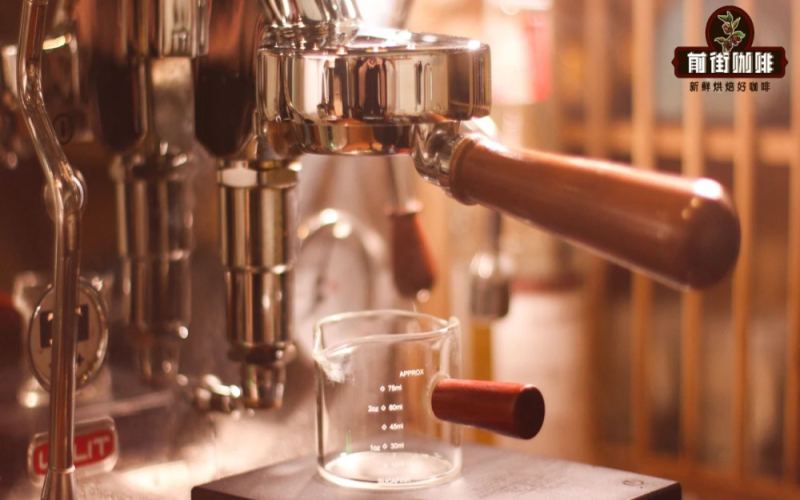
Espresso Bean Blending Guide | How to Judge the Freshness of Coffee Beans? Why Blend Coffee Beans? How to Extract Espresso at Home?
For more specialty coffee knowledge, please follow the WeChat official account: Front Street Coffee (FrontStreet Coffee). When it comes to choosing espresso beans, Front Street Coffee (FrontStreet Coffee) first pays attention to the freshness of the beans, and then to the [more…]
Analysis of the Flavor Characteristics of Medium-Roast Espresso Beans, and Why Espresso Blends Are Chosen for Making Espresso
To make an espresso that balances acidity, sweetness, and bitterness with a full-bodied mouthfeel, choosing the right beans is a key step. Single-origin coffee beans, while excelling in pour-over brewing, often struggle to meet espresso's demand for complexity, so blended beans become the top choice for most roasters. This article will start with the definition and characteristics of Italian-style blended beans, analyze the differences between the two processes of raw blending and roasted blending, and combine several classic blend products from Front Street Coffee to help you understand the taste characteristics of medium-roast Italian-style beans, and why Italian-style blended coffee beans should be chosen for making espresso. [more…]
The Difference Between Specialty Coffee Beans and Commercial Coffee Beans, and an Analysis of Bean Selection Strategies for Coffee Shops
In daily operations, should a coffee shop choose specialty coffee beans or commercial coffee beans? The two differ significantly in price, flavor, and use. Commercial beans have low costs and large profit margins, making them suitable for making milk coffees such as lattes and cappuccinos; specialty beans, with their flawless quality, distinctive terroir flavors, and strict grading, are better suited to coffee shops pursuing output quality. Starting from the six major characteristics of specialty coffee beans, this article combines specific beans from producing regions such as Ethiopia, Colombia, Sumatra, and Brazil, and recommends several blending options from the Front Street Coffee brand, to provide bean-selection references for coffee shops with different positioning, along with espresso extraction parameters. [more…]
How to Determine the Espresso Coffee Grounds-to-Water Ratio? A Complete Analysis of Four Front Street Coffee Espresso Blends: Flavors and Brewing Methods
Want to make a decent espresso at home? The coffee-to-water ratio is one of the most critical parameters. This article draws on the hands-on experience of Front Street Coffee, first explaining why espresso mostly uses blend beans rather than single-origin beans, then explaining how the dose is limited by the basket capacity, why a 1:2 coffee-to-liquid ratio is regarded as the golden ratio, and how too much or too little coffee grounds affects flow rate and flavor. It then introduces, one by one, the four espresso blend beans currently offered by Front Street—Sunflower Warm Sun, Specialty Blend, Commercial Blend, and Dark Cocoa Blend—including their recipe proportions, flavor descriptions, and target drinkers. Finally, it supplements the ways to taste espresso, helping you understand why it emphasizes mouthfeel, aroma, and finish rather than distinguishing temperature changes like pour-over. [more…]
Specialty Espresso Coffee Beans | How to Choose Good Espresso Beans for Your Coffee Machine? Recommended Everyday Espresso Beans for Cost-Effective Espresso Machines
Whether enjoyed as a straight shot or as the base of a milk-based espresso drink, a good, balanced espresso is the first requirement. However, to create an espresso with balanced acidity, body, and sweetness, you need to start with the right coffee beans—blending beans from different origins together. About Espresso Beans [more…]
Espresso Specialty Coffee Beans Recommendation | Why Are Espresso Coffee Beans Mostly Dark Roasted? Introduction to Espresso Extraction Principles, Brewing Methods, and Coffee-to-Water Ratio
Generally speaking, the beans used for espresso are roasted to a medium or medium-dark level or darker, because espresso is not only used to make black coffee but also used to make lattes, flat whites, mochas, and other specialty coffee drinks. If the roast level is too light, not only will there be little crema, but the coffee's flavor can easily be [more…]
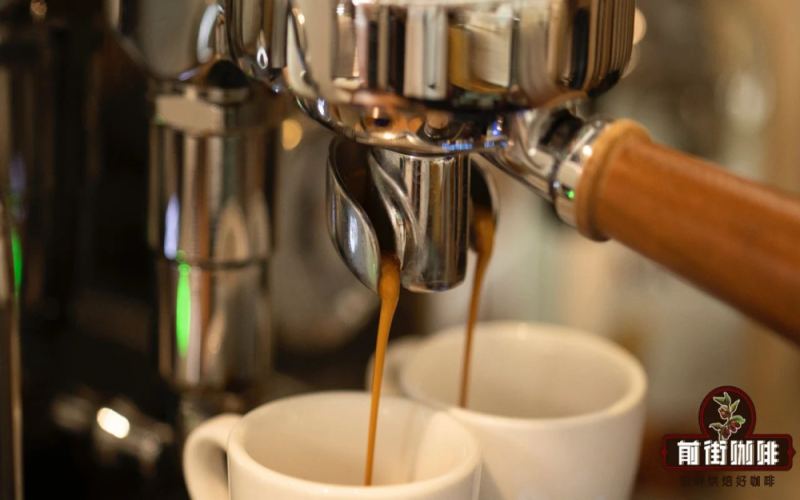
Analysis of Concentration Differences Between Flat White and Latte: A Guide to Choosing Espresso Blend Beans
Which is actually more intense, a flat white or a latte? What differences do the two have in espresso base, milk foam thickness, and cup size? Starting from the serving standards of Front Street Coffee, this article compares the preparation parameters of flat whites and lattes in detail, and further explores what kind of blend beans are suitable for espresso. The article also introduces the flavor characteristics and formula ratios of four espresso beans from Front Street—Sunflower Warm Sun, Specialty Blend, Commercial Blend, and Dark Cocoa Blend—to help coffee lovers choose the right espresso beans according to their personal taste. [more…]
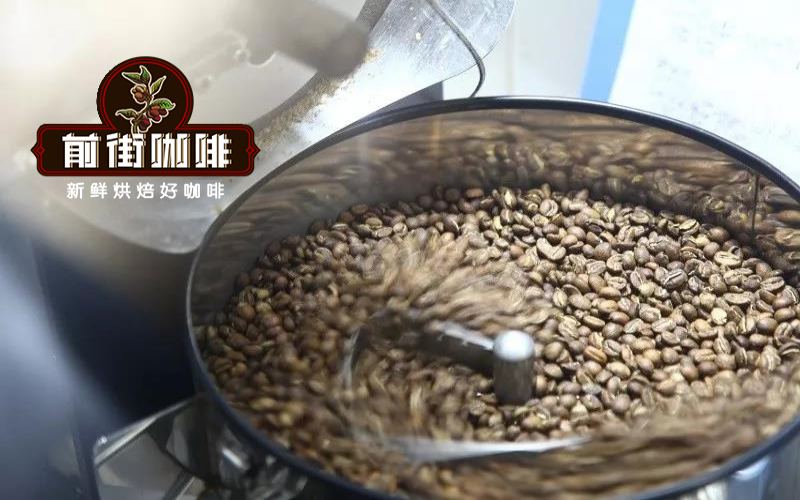
How to Choose Espresso Beans? Extraction Principles and Five Highly Cost-Effective Front Street Coffee Blends
Why are espresso beans generally roasted darker? What special requirements does espresso extraction place on coffee beans? Starting from roast level and extraction principles, this article systematically sorts out the bean selection logic for espresso beans and presents five Front Street espresso blends that combine value for money with flavor performance. Whether used for drinking straight as espresso or for making lattes, flat whites, mochas, and other milk-based coffee drinks, readers can find an option that suits them. The article introduces in detail each bean's origin composition, flavor characteristics, and suitable applications, helping coffee enthusiasts and cafe owners make quick decisions. [more…]
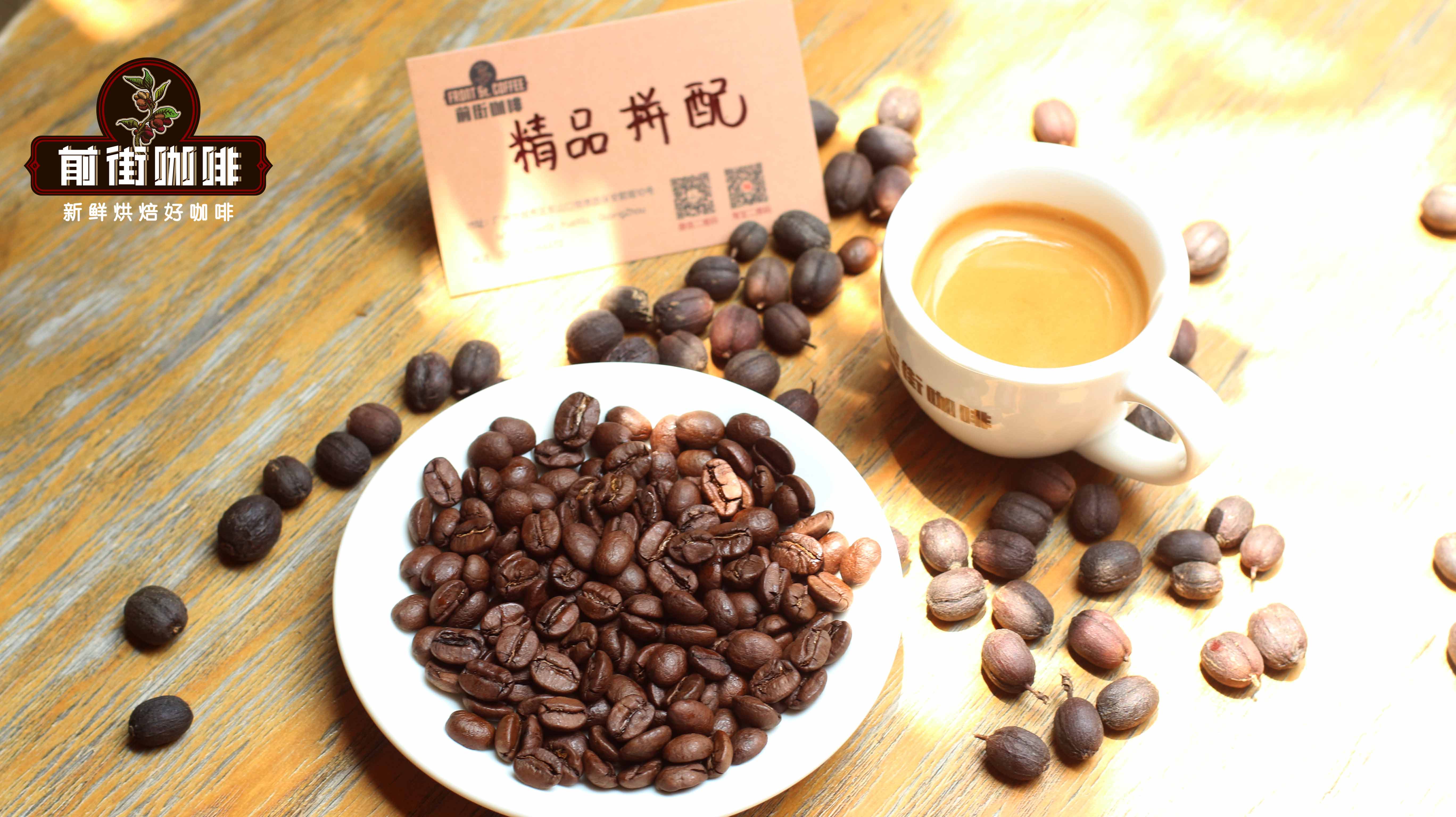
How to Choose Commercial Coffee Beans? An Analysis of the Flavors and Suitable Applications of Front Street Coffee's Several Best-Selling Commercial Blend Coffee Beans
Opening a coffee shop or beverage store starts with choosing the right commercial coffee beans for consistent quality. Most commercial coffee beans on the market are blends, combining different origins and roast levels to achieve a balanced Espresso flavor. This article focuses on several commercial blend beans from Front Street Coffee, including the Classic Specialty Blend, the Commercial Blend with Robusta, the Black Cocoa Blend, the Classic Blend, and the Strawberry Candy Espresso Blend, introducing their origin composition, roasting methods, flavor characteristics, and suitable applications, to help coffee professionals make the right choice based on budget and flavor needs, while also providing a reference for coffee lovers to understand espresso blend beans. [more…]
Java Coffee Full Analysis: Robusta Production Distribution, Dutch Colonial History, and Typica Specialty Flavor
Java Coffee, known in English as Java Coffee, is a name of great historical significance on the global coffee map. It refers both to coffee produced on the Indonesian island of Java and to a chapter that once left a vivid mark on the history of specialty coffee. This article systematically sorts out Java coffee's varietal classification and cultivation distribution, from Robusta's lowland cultivation characteristics to the differences between the two major categories A.P. and W.I.B., then traces the journey of Dutch colonists bringing coffee to Java, as well as the turning point in variety replacement around 1920. The article will also introduce a flavor review of Java Pancoer Typica, including its oily mouthfeel, bittersweet chocolate notes, and nutty finish, and mention Sumatra Front Street Mandheling as one of the few Arabica treasures still surviving today. Whether you are new to single-origin coffee or want a deeper understanding of Indonesian bean lineages, this content can provide a complete reference. [more…]
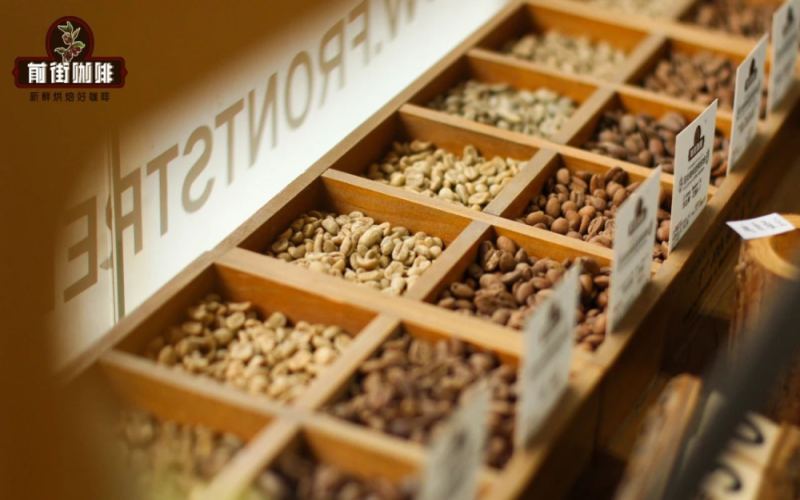
Flat White | Which coffee beans are suitable for making a Flat White? Is there a difference in the coffee-to-milk ratio between a Flat White, a Latte, and a Cappuccino?
For more specialty coffee knowledge, please follow our WeChat public account: Front Street Coffee (FrontStreet Coffee). When it comes to espresso, everyone will definitely think of lattes, cappuccinos, mochas, and so on, but very few people mention the Flat White. So what kind of drink is this? [more…]
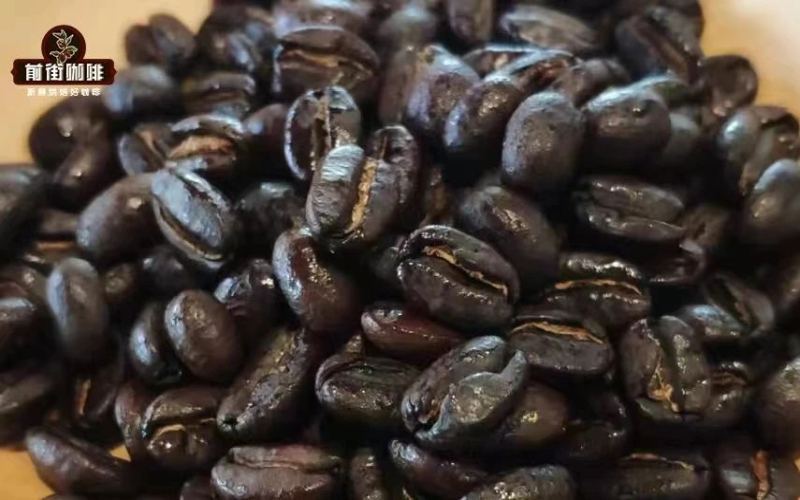
Are dark-roasted coffee beans necessarily burnt and bitter? What flavor do charred-black beans actually present?
Many people, when they hear "dark roast coffee beans," immediately think of burnt bitterness, heavy smoky flavors, or even find them hard to drink. But is that really the case? A properly roasted dark roast bean can actually offer pleasant notes of cocoa, dark chocolate, caramel, and nuts, with low acidity and a full body, balanced between sweetness and bitterness. Drawing on Front Street Coffee's roasting experience, this article sorts out the relationship between the Maillard reaction and roast level, and recommends a variety of Front Street medium-dark and dark roast products for different taste preferences, including Queen's Estate, PWN Golden Mandheling, Classic Blend, Specialty Blend, Commercial Blend, and Dark Cocoa Base Blend, helping coffee lovers find the rich, full-bodied choice that suits them. [more…]
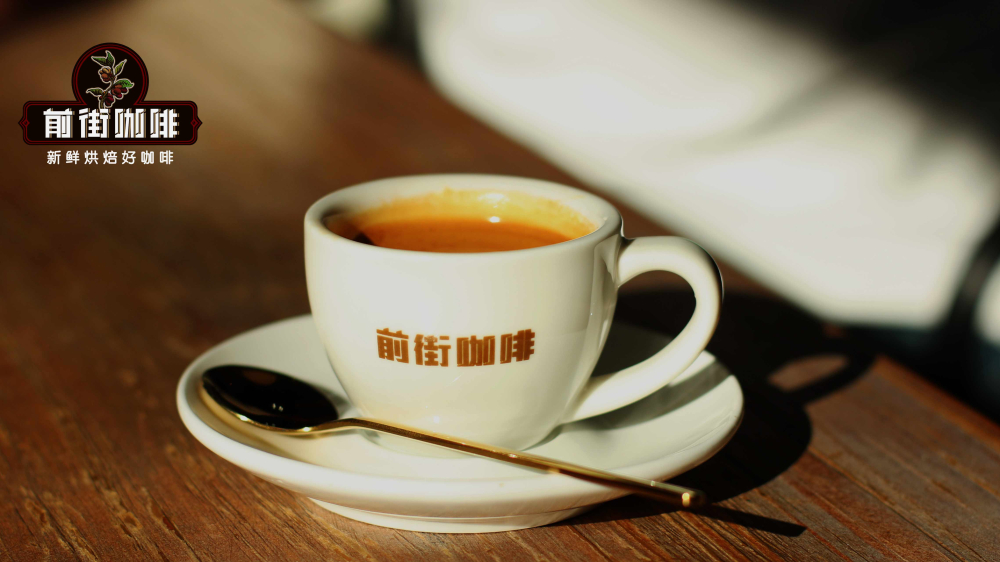
Espresso Coffee Bean Brand Recommendations | What Are Espresso Blend Beans? What Types of Espresso Beans Are There? How to Choose Espresso Beans for a Semi-Automatic Espresso Machine?
Whether enjoyed on its own or as part of an espresso-based drink, a good, balanced espresso is the first requirement. However, to create an espresso with balanced acidity, body, and sweetness, you need to start with the right coffee beans—blending beans from different origins together. About Espresso Beans [more…]

Espresso Coffee Beans | Why Blend Coffee Beans? What Do Raw Blending and Roasted Blending Mean? What Should Be Noted When Blending Coffee Beans?
Many people don't understand how blend beans are formulated into a blending plan. Now Front Street Coffee will guide you through the ideas behind blending coffee beans and how to blend coffee. The reasons and purposes for blending: people need to combine coffees from different origins for several different purposes. The most ideal purpose, of course, is to blend a kind of flavor [more…]
Indonesian West Java Arimani Honey Process Coffee Flavor Analysis and Pour-Over Parameter Guide
The honey-processed Armani coffee produced in West Java, Indonesia, breaks the stereotype of Indonesian coffee as heavy, bittersweet, and earthy with its distinctive tropical fruit aromas and a clean, sweet finish. This bean comes from the Mount Tilu growing region at an altitude of 1,400 to 1,600 meters, and the honey process preserves the sweet flavors of ripe fruit. This article will guide you through a comprehensive understanding of this elegant offering, which scores as high as 92 points in cupping, covering the principles of the honey process, the terroir of the West Java region, the flavor performance of the Armani bean variety, and the pour-over extraction parameters recommended by Front Street Coffee. [more…]
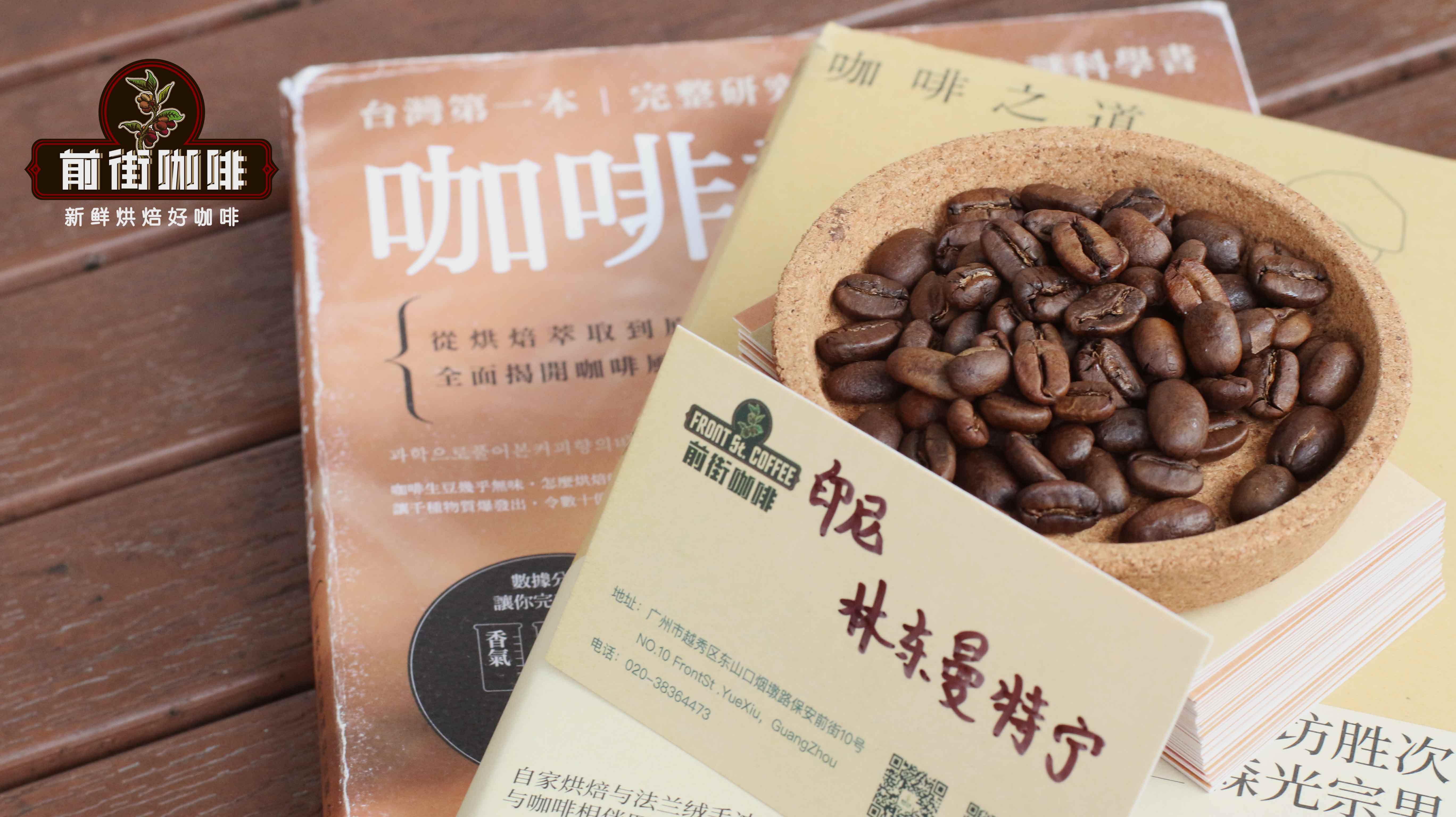
Is Indonesian Mandheling suitable for single-origin brewing? Differences from espresso and recommendations for Front Street Mandheling and blended beans
Many friends who are just getting into coffee wonder: Front Street Mandheling and espresso both have a bitter taste—are they actually the same thing? And how do the "Mandheling flavor" and "espresso flavor" labels on supermarket shelves differ? From the perspective of Front Street Coffee, this article first clarifies the fundamental differences between single-origin coffee and espresso in terms of definition, equipment, extraction parameters, and flavor performance, then answers common questions such as whether single-origin beans can be used to make espresso and whether Mandheling or espresso is more bitter, and finally focuses on introducing Front Street's espresso blend beans and Indonesian Mandheling series, including Sunflower Warm Sun, Specialty Blend, Commercial Blend, Dark Cocoa Blend, as well as PWN Golden Mandheling and Lindong Mandheling, to help enthusiasts choose beans according to their needs. [more…]
Indonesian Coffee | What is the difference between Mandheling SOE and espresso blends? Can hand-brewed single-origin beans be used to make espresso?
Front Street Coffee has found that beginner coffee enthusiasts often perceive Front Street Mandheling as very bitter, and espresso as bitter too (though of course it's not bitter after adding milk and sugar), so sometimes they even think the two should taste the same, or they may make some comparisons in their minds. [more…]
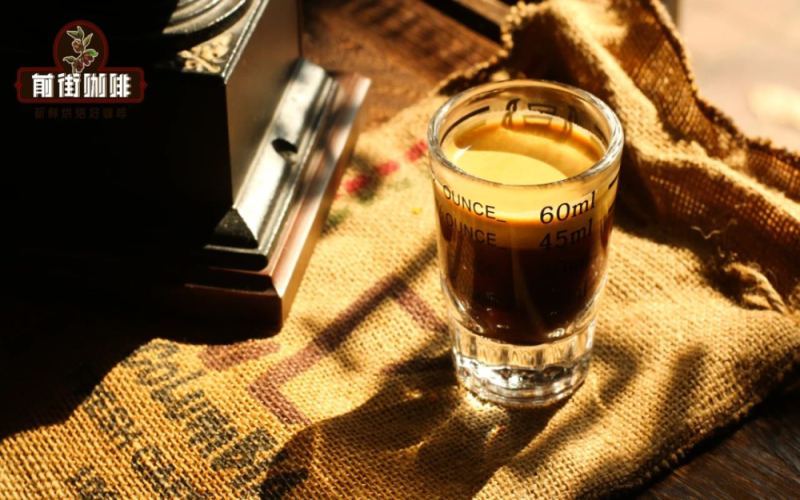
Starbucks Espresso Ordering and Tasting Complete Guide: From Espresso Basics to Four Italian Blend Bean Recommendations
Espresso is the base for many specialty coffee drinks, and Starbucks is no exception. However, Espresso has a strong, heavy flavor that not everyone can easily accept. From the perspective of Front Street Coffee, this article systematically explains how to order Starbucks espresso, the definition and characteristics of Espresso, the logic behind choosing Italian blend beans, and recommends four blend coffee beans suitable for making espresso. In addition, it provides a detailed introduction to three common ways of drinking espresso—drinking it straight, adding milk to make milk-based drinks, and adding water to make Americano—as well as the preparation ratios and extraction parameters for lattes, helping coffee enthusiasts fully master the key points of tasting and making espresso. [more…]
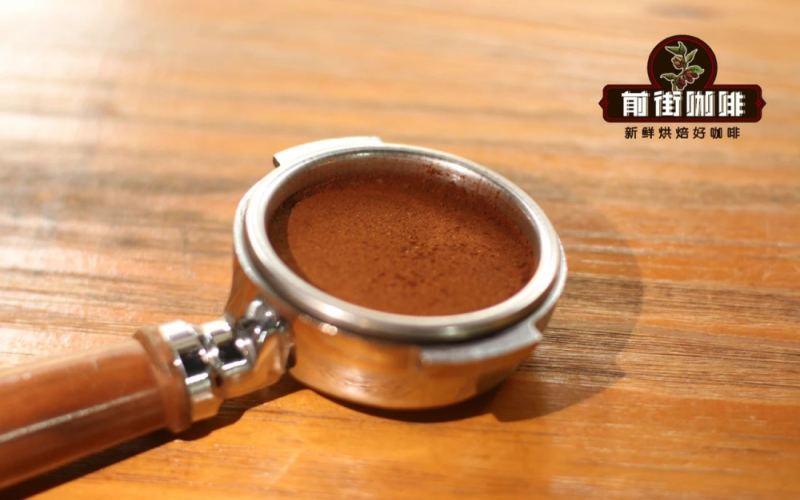
Espresso Bean Varieties | What Beans Should You Use for Espresso Extraction? High-Value Espresso Blend Coffee Bean Recommendations for Beginners
What coffee beans are suitable for an espresso machine? Espresso is just one of many coffee extraction methods. No matter what kind of coffee is used, as long as it is made with an espresso machine, it can be called espresso. As long as it tastes good, whether it is single-origin coffee or a blend, it [more…]